
Certification services · FMCS
FMCS Certification for Overseas Factories Exporting to India
If your factory is outside India and your product falls under a notified Indian Standard, FMCS is the certification route you need. We set up the Authorized Indian Representative arrangement and manage the file through to licence grant.
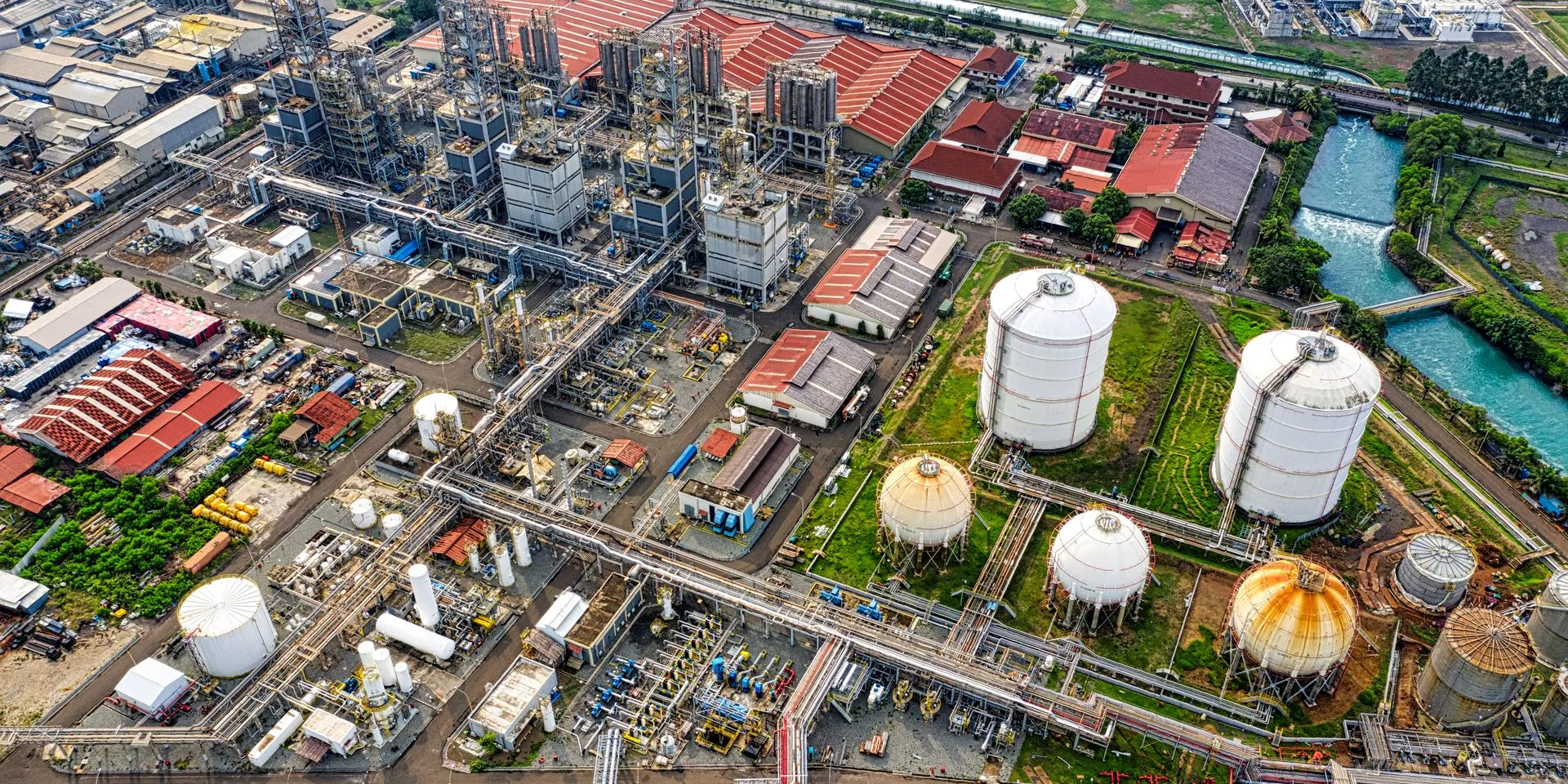
Overseas factories, certified for the Indian market.
The Foreign Manufacturers Certification Scheme (FMCS) is the BIS route for overseas factories producing goods that fall under mandatory Indian certification. It runs alongside the domestic ISI scheme but with additional requirements — including an India-based Authorized Indian Representative and an overseas factory audit.
Manufacturers outside India whose product is notified for mandatory BIS certification and who want the factory itself certified — rather than relying on an Indian importer's own compliance arrangement.
How it works
The FMCS licensing process, start to finish
Step 1: Scheme confirmation
We confirm your product falls under a notified Indian Standard and that FMCS — rather than a domestic route through an Indian licensee — is the right structure for your business.
Step 2: Authorized Indian Representative setup
We help structure and document the AIR arrangement BIS requires for every overseas applicant, alongside the rest of your application file.
Step 3: Documentation & testing
Application, factory details and QA documentation are prepared, and samples are tested against the applicable Indian Standard.
Step 4: Overseas factory audit
BIS assesses your facility on-site. We prepare your plant and QC team in advance and coordinate the audit logistics so scheduling doesn't become the bottleneck.
Step 5: Licence grant & renewal tracking
Once granted, we track renewal deadlines and any standard amendments that could affect your certified product.
What's included
What we handle for you
Guidance on setting up and documenting the Authorized Indian Representative relationship BIS requires.
Coordination of the overseas factory audit schedule between your plant and BIS.
Renewal deadlines and standard amendments monitored so your FMCS licence stays valid.
FAQ
FMCS — common questions
Do foreign manufacturers need FMCS to sell into India?
If your factory is outside India and your product falls under a notified Indian Standard, yes — you need a licence under the Foreign Manufacturers Certification Scheme (FMCS) before it can be sold in the Indian market. It runs in parallel to the domestic ISI scheme, but with additional requirements specific to overseas facilities.
What is an Authorized Indian Representative (AIR), and do I need one?
Yes — FMCS requires every overseas applicant to appoint an Authorized Indian Representative: an entity based in India that acts as the point of contact with BIS and carries certain responsibilities on the licence holder's behalf. We can help structure this arrangement as part of the application.
Does the factory audit happen in India or overseas?
The factory audit happens at your manufacturing facility, wherever it is located. BIS auditors (or an authorised inspection body) travel to the overseas plant, which is one reason FMCS timelines typically run longer than a domestic ISI application — scheduling and logistics need to be built into the plan from the start.
How is FMCS different from getting an Indian importer to hold the ISI licence?
An ISI licence is issued to a manufacturing facility, and only a facility in India can hold one directly. If you manufacture overseas and want your own factory certified — rather than relying on an Indian buyer's compliance — FMCS is the applicable route. It keeps certification ownership with your factory rather than a third party.
Related
Related certification services
For electronics and IT equipment, including overseas manufacturers, under a separate registration route.
Keep an existing FMCS licence in force and track standard amendments.
Selling notified products into India from an overseas factory?
Tell us the product and where it's manufactured, and we'll confirm whether FMCS applies and what the AIR arrangement will look like for your business.